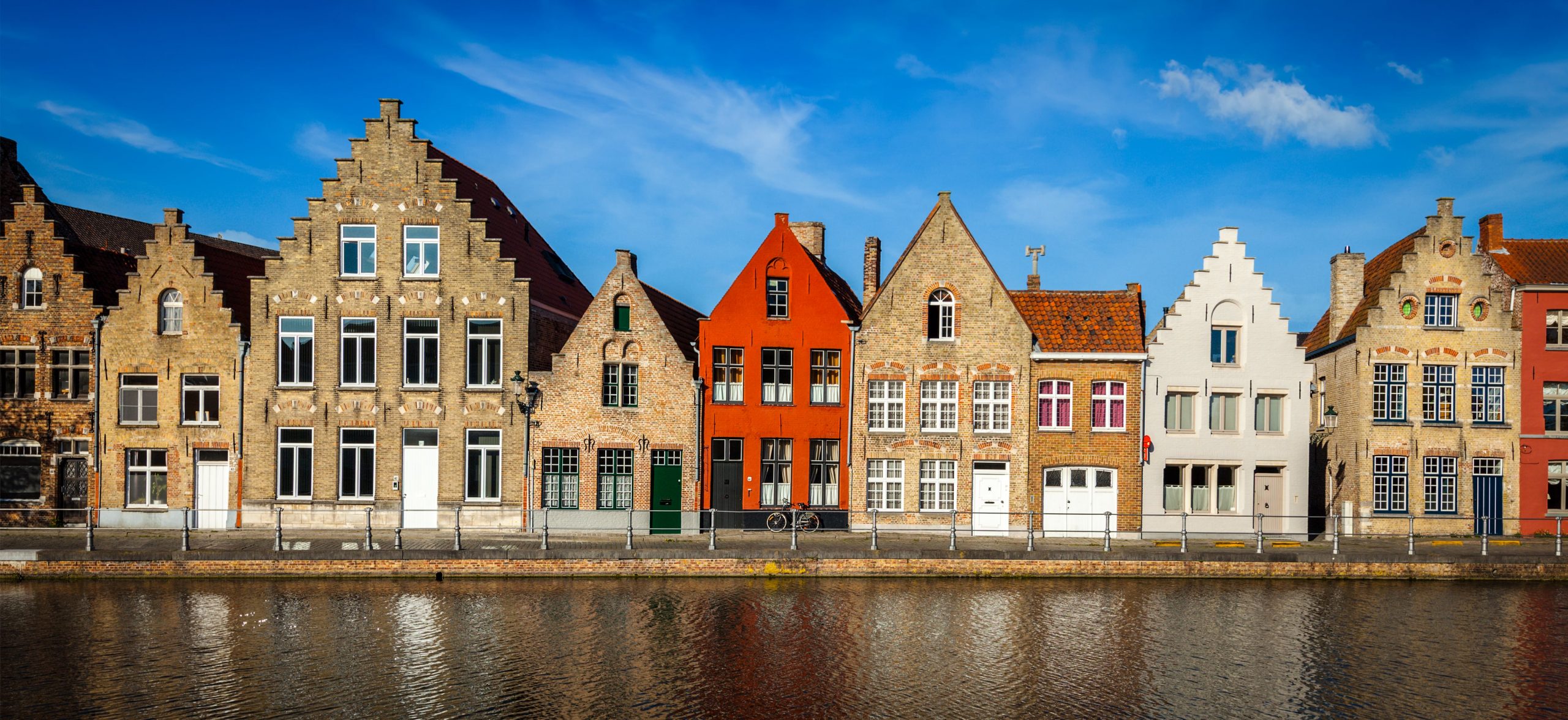
European house design has long been admired for its elegance, charm, and attention to detail. Inspired by centuries of architectural tradition, European-style homes blend classic aesthetics with functional living spaces. From French country cottages and Italian villas to English Tudor homes and Mediterranean estates, these designs reflect cultural heritage while maintaining lasting appeal.
Homeowners are often drawn to European architecture because of its balance between sophistication and warmth. Arched doorways, stone façades, intricate moldings, and spacious interiors create a refined yet welcoming atmosphere. At the same time, modern adaptations allow these homes to incorporate contemporary comfort and energy efficiency.
Designing or renovating a house with European influence requires thoughtful planning. Architectural structure, materials, landscaping, and interior décor must complement one another. This guide explores the defining elements of European-style house design and offers inspiration for creating a timeless and elegant living space.
Classic Architectural Features and Exterior Details
European homes are known for distinctive architectural elements. Steeply pitched roofs, tall windows, and decorative shutters are commonly seen in French and English styles. Mediterranean homes often feature stucco walls, terracotta roofing, and wrought-iron accents.
Stone and brick façades add texture and durability while enhancing traditional charm. Arched doorways and symmetrical layouts contribute to visual balance.
Exploring European style house design ideas often begins with studying regional influences and selecting features that match climate and personal preference.
Landscaping also plays an important role. Courtyards, manicured gardens, and cobblestone pathways enhance the overall European aesthetic.
Elegant Interior Layout and Open Spaces
European interiors emphasize both functionality and artistry. Spacious living rooms with high ceilings create an open yet intimate environment.
Large windows allow natural light to enhance decorative details. Fireplaces often serve as focal points, adding warmth and character.
Rooms are typically designed to flow seamlessly from one area to another while maintaining defined spaces.
Balanced proportions and thoughtful room placement ensure comfort without sacrificing style.
Rich Materials and Textured Finishes
Material selection is central to achieving authentic European charm. Natural stone, hardwood flooring, and plaster walls are common choices.
Exposed wooden beams and detailed crown molding add architectural interest. Marble countertops and intricate tile work elevate kitchens and bathrooms.
According to a timeless home architecture and interior inspiration guide, blending traditional materials with modern finishes maintains elegance while improving practicality.
Layered textures create depth and warmth within each room.
Neutral Color Palettes with Subtle Accents
European-style homes often feature neutral tones such as beige, cream, soft gray, and earthy browns. These shades create a calm and refined atmosphere.
Accent colors may appear through artwork, textiles, or decorative accessories.
Soft lighting enhances the warmth of neutral palettes and highlights architectural features.
Carefully curated décor maintains sophistication without overwhelming the space.
Blending Tradition with Modern Comfort
While rooted in history, modern European-inspired homes incorporate updated technology and energy-efficient systems.
Smart lighting, advanced insulation, and contemporary appliances integrate seamlessly into classic designs.
Balancing tradition and innovation ensures that homes remain functional for modern lifestyles.
Adapting timeless features to current needs keeps the design both elegant and practical.
Conclusion
European-style house design combines architectural heritage, elegant interiors, and carefully selected materials to create homes that feel both refined and welcoming. From distinctive exteriors and textured finishes to neutral color schemes and balanced layouts, each element contributes to lasting sophistication. By exploring European style house design ideas and drawing inspiration from a timeless home architecture and interior inspiration guide, homeowners can achieve a harmonious blend of tradition and modern comfort. Whether building from scratch or renovating an existing space, incorporating European influences adds character and enduring appeal. With thoughtful planning and attention to detail, a European-inspired home becomes not only visually stunning but also a comfortable and functional environment designed to stand the test of time.